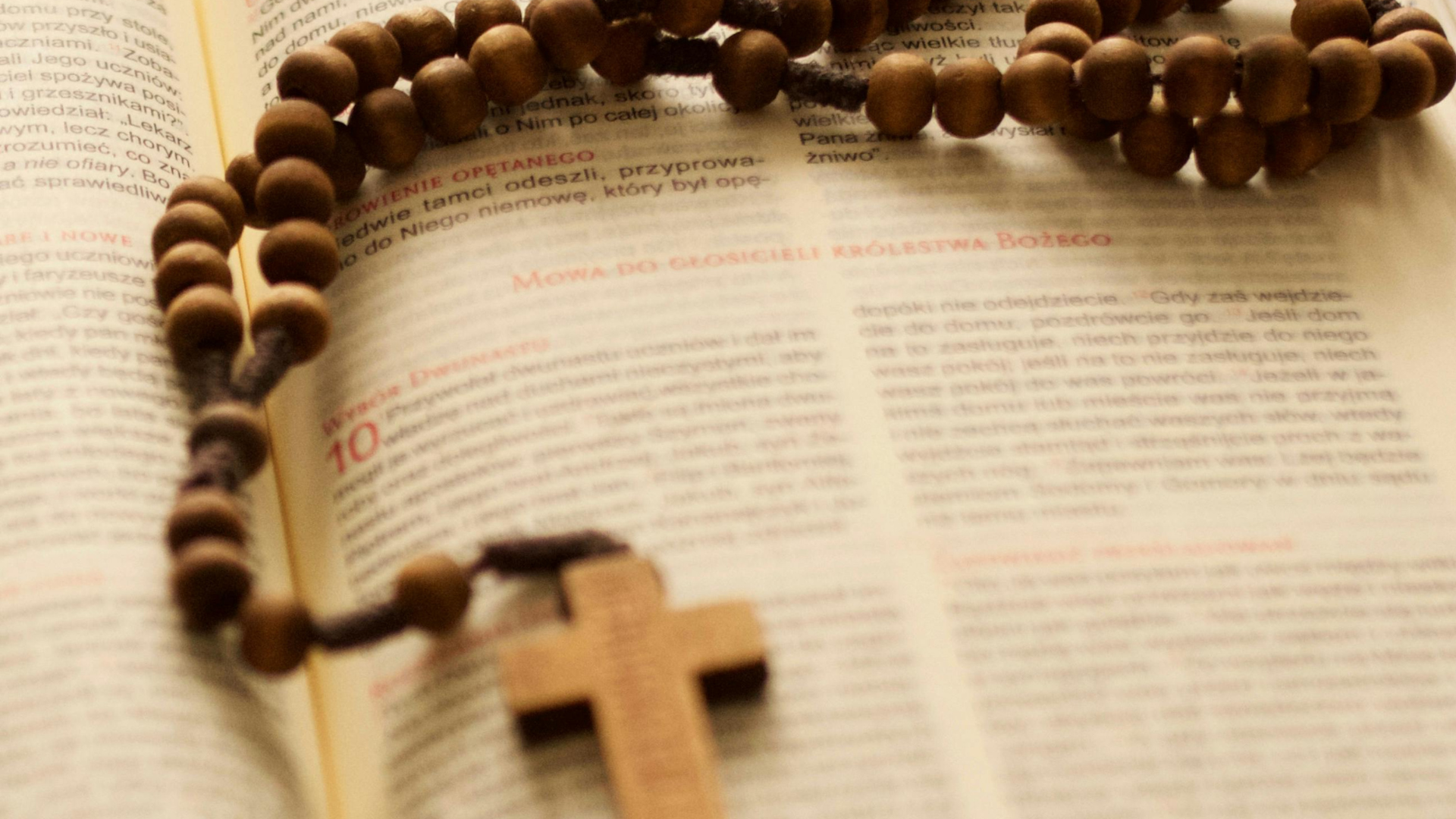
For many Black women, the search to find a Christian therapist begins at a quiet crossroads. You still believe in God. Your faith still matters. But something no longer fits the way it used to. The beliefs that once gave you structure now feel heavy. The language of strength, sacrifice, and endurance may have helped you survive, but it is no longer helping you feel whole.
Many Christians women reach this point after years of leading, serving, caregiving, and showing up faithfully while quietly carrying emotional exhaustion, spiritual confusion, or a growing sense of disconnection from themselves.
If you are in Los Angeles or nearby areas, the options can feel overwhelming. There are countless therapists, but finding someone who honors your faith while also making room for questions, tension, and emotional truth is not always simple.
This blog is here to help you slow down and get clear about what actually matters when looking for
Christian therapy
that supports your full self, including the parts of your faith that feel tender, conflicted, or in transition.
In case we have not met yet, I am J., a psychologist and founder of Deeply Seen Psychological Services in Los Angeles. I started this practice after my own season of quiet unraveling, when prayer alone was not enough to hold the weight I was carrying. I realized how many women of faith, especially women of color, are taught to keep giving, keep leading, and keep believing even when we are breaking.
Deeply Seen was born from that realization that healing and faith were never meant to live apart. That we need
sacred spaces where we can tell the truth about our exhaustion and still be seen as faithful. Where therapy feels like a homecoming, not a contradiction.
That is what Christian counseling offers: a place where you do not have to choose between your faith and your feelings.
How to find the right Christian therapist if you are a Black woman questioning your faith right now
Choosing a therapist is not just about credentials or availability. It is about safety, especially when faith is involved.
For many women, faith has shaped how they understand suffering, obedience, rest, and worth. It has also shaped how they learned to silence their needs, push through exhaustion, or spiritualize pain instead of tending to it.
A Christian therapist who understands this can help you explore your inner world without forcing answers or defending doctrine. You do not have to explain why faith still matters to you while also admitting that some teachings or expectations have left you tired, ashamed, or misunderstood.
The right fit allows you to be honest about what no longer feels life-giving, helping you feel validated in your experience without feeling like you are betraying God.
May Christian Black women go to therapy without compromising their faith?
This question often carries more weight than people admit.
Maybe you were taught that prayer should be enough. That questioning beliefs means rebellion. That needing help signals weak faith. Over time, these messages can create spiritual guilt, keeping people stuck in silence.
Therapy does not replace faith. It does not require you to abandon belief or arrive at certainty. For many, therapy becomes a place where faith can be examined gently, stripped of pressure, and reconnected to what feels true and sustaining.
You can love God and still feel overwhelmed.
You can question aspects of your faith and still desire a relationship with Him.
You may need support without being spiritually deficient.
For some Black women, therapy is where faith stops being something you perform and becomes something you can actually rest in.
What to look for in a Christian therapist
Not all Christian therapists practice in ways that support emotional freedom, especially for Black women who have spent years carrying responsibility, leadership, and faith at the same time.
First, look for proper clinical training and licensure. A Christian therapist should be grounded in evidence-based mental health care, not using faith as a substitute for psychological skill.
Second, pay close attention to how faith is integrated. Healthy integration leaves room for nuance. Scripture is not used to bypass grief, minimize anger, or rush healing. Prayer is an option, not an obligation. If you want a clearer framework for what this can look like in practice, reading
What is Christian counseling
and what to consider before working with one can help you ask more informed questions before starting.
Third, notice whether the therapist allows space for questions. Many Black women seeking Christian therapy are not trying to abandon their faith. They are trying to untangle God from cultural expectations, performance, or spiritual roles that no longer feel aligned with who God is calling them to be.
Finally, trust your internal response. Do you feel allowed to be complex? Curious. Human. Your nervous system often recognizes safety before your theology does.